

Hey there! As a low voltage bushing supplier, I've seen firsthand how important it is to extend the service life of these crucial components. Low voltage bushings are used in a wide range of electrical applications, from transformers to switchgear, and they play a vital role in ensuring the safe and efficient operation of electrical systems. In this blog post, I'll share some tips on how to extend the service life of low voltage bushings, based on my experience in the industry.
1. Choose the Right Bushing for the Application
The first step in extending the service life of low voltage bushings is to choose the right one for the application. There are many different types of low voltage bushings available, each with its own unique characteristics and specifications. When selecting a bushing, it's important to consider factors such as the voltage rating, current carrying capacity, environmental conditions, and the specific requirements of the application.
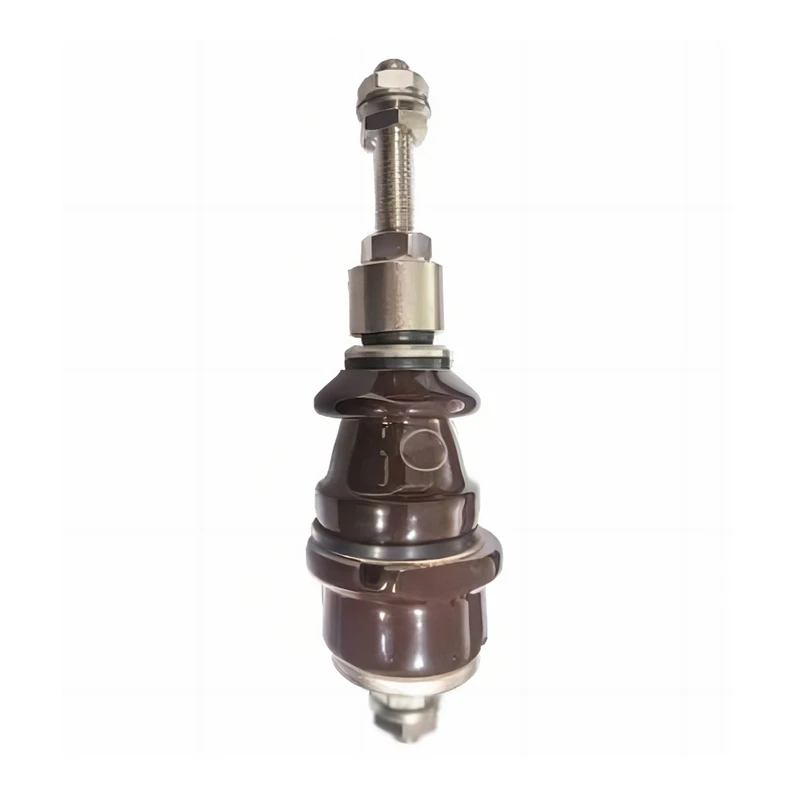
For example, if you're looking for a bushing for a transformer, you might consider a 1KV 250A Bushing or a 1KV/400A Bushing, depending on the voltage and current requirements of the transformer. On the other hand, if you're working in a more demanding environment, such as a high-temperature or high-humidity area, you might need a bushing with special insulation materials or a higher temperature rating.
2. Proper Installation
Proper installation is crucial for the long-term performance of low voltage bushings. When installing a bushing, it's important to follow the manufacturer's instructions carefully and to use the correct tools and techniques. Here are some key points to keep in mind during installation:
- Clean the Mounting Surface: Before installing the bushing, make sure the mounting surface is clean, dry, and free of any debris or contaminants. This will help to ensure a good seal and prevent moisture or other substances from entering the bushing.
- Use the Correct Torque: When tightening the bolts or nuts that hold the bushing in place, use the correct torque specification provided by the manufacturer. Over-tightening can damage the bushing, while under-tightening can lead to loose connections and potential arcing.
- Inspect the Bushing: Before and after installation, inspect the bushing for any signs of damage or defects. Look for cracks, chips, or other visible damage to the insulation or the conductor. If you notice any issues, do not install the bushing and contact the manufacturer for further guidance.
3. Regular Maintenance
Regular maintenance is essential for extending the service life of low voltage bushings. By performing routine inspections and maintenance tasks, you can identify and address potential problems before they become major issues. Here are some maintenance tasks that you should consider:
- Visual Inspections: Conduct regular visual inspections of the bushings to check for any signs of damage, wear, or deterioration. Look for cracks, discoloration, or other visible changes in the insulation or the conductor. Pay special attention to areas around the connections and the sealing surfaces.
- Cleaning: Keep the bushings clean and free of dirt, dust, and other contaminants. Use a soft brush or a cloth to gently clean the surface of the bushing. Avoid using abrasive materials or solvents that could damage the insulation.
- Insulation Resistance Testing: Periodically perform insulation resistance testing on the bushings to check the integrity of the insulation. This test measures the resistance between the conductor and the ground, and can help to detect any signs of insulation breakdown or moisture ingress.
- Temperature Monitoring: Monitor the temperature of the bushings during operation. An unusually high temperature can indicate a problem, such as a loose connection or overloading. Use a thermal imaging camera or a temperature sensor to measure the temperature of the bushings at regular intervals.
4. Environmental Considerations
The environment in which the low voltage bushings are installed can have a significant impact on their service life. Here are some environmental factors to consider:
- Temperature: High temperatures can accelerate the aging process of the insulation and reduce the service life of the bushings. Make sure the bushings are installed in a well-ventilated area and that the ambient temperature does not exceed the rated temperature of the bushing.
- Humidity: Moisture can cause insulation breakdown and corrosion, especially in areas with high humidity. If the bushings are installed in a humid environment, consider using a moisture barrier or a dehumidifier to protect them.
- Chemicals and Contaminants: Exposure to chemicals, solvents, or other contaminants can damage the insulation and reduce the performance of the bushings. Make sure the bushings are installed in an area free from these substances, or use a protective coating to prevent damage.
5. Overloading and Short Circuits
Overloading and short circuits can cause significant damage to low voltage bushings. To prevent these issues, it's important to ensure that the bushings are properly rated for the application and that the electrical system is designed and installed to prevent overloading and short circuits. Here are some tips:
- Proper Sizing: Make sure the voltage and current ratings of the bushings are appropriate for the application. Overloading the bushings can cause excessive heat, which can damage the insulation and reduce the service life.
- Fuse Protection: Install fuses or circuit breakers in the electrical system to protect the bushings from short circuits. These devices will trip if there is a sudden increase in current, preventing damage to the bushings and other components.
- Monitoring and Protection Systems: Consider installing monitoring and protection systems to detect and prevent overloading and short circuits. These systems can provide real-time information about the electrical system and can automatically shut down the system if a problem is detected.
Conclusion
Extending the service life of low voltage bushings is essential for ensuring the safe and efficient operation of electrical systems. By choosing the right bushing for the application, installing it properly, performing regular maintenance, considering the environmental factors, and preventing overloading and short circuits, you can significantly increase the lifespan of your low voltage bushings.
If you're in the market for high-quality low voltage bushings or need more information on how to extend their service life, feel free to reach out to us. We're here to help you find the best solutions for your electrical needs.

References
- Electrical Insulation Handbook, Second Edition, by Lester E. Drain, et al.
- IEEE Standard for Test Procedures for Low-Voltage Bushings in Liquid-Immersed Distribution Transforme, IEEE Std C57.19.01-2015