

As a seasoned supplier of low voltage bushings, I've witnessed firsthand the pivotal role these components play in the functionality and safety of transformers. Low voltage bushings are not just simple parts; they are the unsung heroes that ensure the smooth operation of electrical systems. In this blog, I'll delve into the various functions of low voltage bushings in a transformer, highlighting their importance and the value they bring to the table.
Electrical Insulation
One of the primary functions of low voltage bushings is to provide electrical insulation. Transformers deal with high electrical currents and voltages, and it's crucial to prevent any unwanted electrical contact between the transformer's internal components and the external environment. Low voltage bushings act as a barrier, ensuring that the electrical current flows through the intended path and does not leak or cause short - circuits.
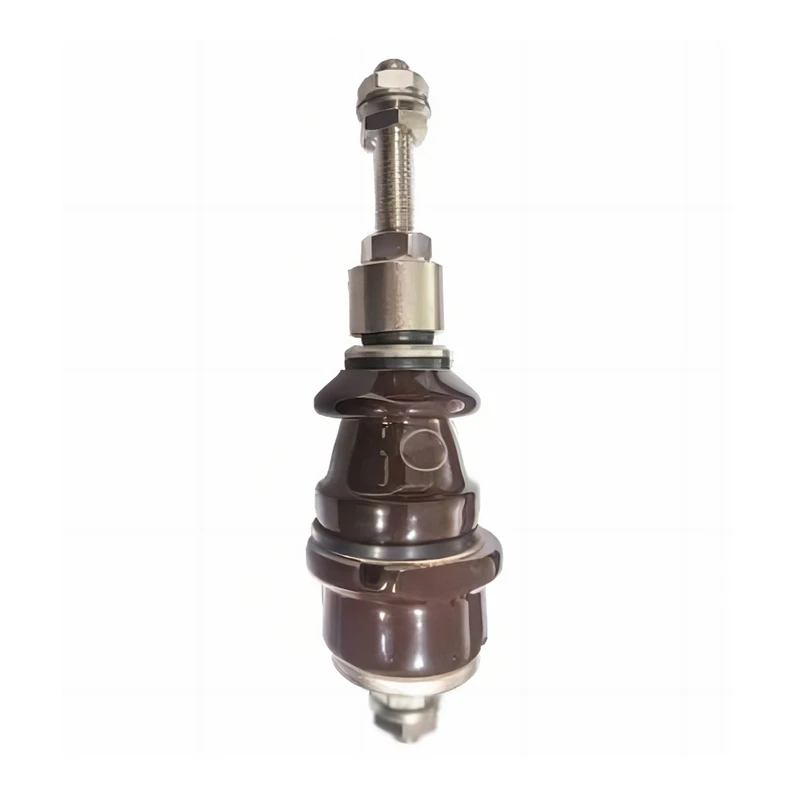
The insulation material used in low voltage bushings is carefully selected to have high dielectric strength. For example, epoxy resin is a popular choice due to its excellent insulating properties, mechanical strength, and resistance to environmental factors such as moisture and chemicals. Our 400A Epoxy LV Bushings are made with high - quality epoxy resin, providing reliable insulation for transformers operating at low voltages. This insulation not only protects the transformer but also enhances the safety of the entire electrical system, reducing the risk of electrical shocks and fires.
Current Conduction
Low voltage bushings are also responsible for conducting electrical current from the transformer's internal windings to the external electrical circuits. They are designed to handle a specific amount of current without overheating or causing excessive power losses. The cross - sectional area and the material of the conductor inside the bushing are carefully engineered to ensure efficient current flow.
For instance, in applications where high current is required, such as industrial transformers, bushings with larger conductor sizes are used. Our 1.2kV 2000A Integral Deadbreak Bushing is specifically designed to handle high currents up to 2000A. The conductor inside the bushing is made of high - conductivity materials like copper or aluminum, which minimize resistance and power losses. This efficient current conduction helps to maintain the performance of the transformer and the overall electrical system.
Mechanical Support
In addition to electrical functions, low voltage bushings provide mechanical support for the transformer's internal components. They help to secure the windings and other parts in place, preventing any movement or vibration during operation. This is especially important in transformers that are subject to mechanical stresses, such as those installed in moving vehicles or industrial machinery.
The design of the bushing includes features that ensure a strong mechanical connection between the transformer and the external electrical equipment. For example, the bushing may have flanges or mounting brackets that can be securely attached to the transformer tank and the electrical panel. Our 1KV 250A Bushing is designed with robust mechanical features, providing reliable support for the transformer and ensuring its long - term stability.
Environmental Protection
Low voltage bushings are exposed to various environmental conditions, including moisture, dust, and chemicals. They need to be able to withstand these conditions without compromising their electrical and mechanical performance. To achieve this, bushings are often coated or encapsulated with materials that provide protection against environmental factors.
For example, some bushings are coated with a weather - resistant polymer that prevents moisture from penetrating the insulation. This is particularly important in outdoor transformers, where they are exposed to rain, snow, and humidity. The coating also helps to protect the bushing from UV radiation, which can degrade the insulation material over time. By providing environmental protection, low voltage bushings extend the lifespan of the transformer and reduce the need for frequent maintenance.
Voltage Regulation
Although low voltage bushings are mainly associated with low - voltage applications, they also play a role in voltage regulation. They help to maintain a stable voltage level between the transformer and the external electrical circuits. This is achieved through the proper design of the insulation and the conductor, which ensures that the voltage drop across the bushing is within acceptable limits.
In a well - designed transformer system, the low voltage bushings work in conjunction with other components such as voltage regulators and tap changers to maintain a constant voltage output. This is crucial for the proper operation of electrical equipment, as many devices are sensitive to voltage fluctuations. By contributing to voltage regulation, low voltage bushings help to improve the quality of the electrical power supplied by the transformer.

Thermal Management
Transformers generate heat during operation, and it's important to manage this heat effectively to prevent damage to the components. Low voltage bushings play a role in thermal management by dissipating heat from the transformer's internal windings to the external environment. The conductor inside the bushing can act as a heat sink, transferring heat away from the windings.
In addition, the insulation material used in the bushing has a certain thermal conductivity, which helps to conduct heat. Some bushings are also designed with cooling fins or other heat - dissipating features to enhance the heat transfer process. By managing the heat, low voltage bushings help to prevent overheating of the transformer, which can lead to insulation breakdown and reduced lifespan.
In conclusion, low voltage bushings are essential components in a transformer, performing multiple functions that are crucial for the safe and efficient operation of the electrical system. From electrical insulation and current conduction to mechanical support and environmental protection, these bushings play a vital role in ensuring the reliability and performance of transformers.
If you are in the market for high - quality low voltage bushings, we are here to provide you with the best solutions. Our team of experts can help you select the right bushing for your specific application, ensuring that it meets your requirements in terms of electrical performance, mechanical strength, and environmental resistance. Contact us today to start a procurement discussion and take your transformer system to the next level.
References
- Electric Power Systems: Analysis and Design by J. Duncan Glover, Mulukutla S. Sarma, and Thomas J. Overbye
- Transformer Engineering: Design, Technology, and Diagnostics by George Karady and G. Venkata Subrahmanyam