difference between a Surge Arrester and an Elbow-type Surge Arrester
1. Core Relationships and Concepts
Surge Arrester:
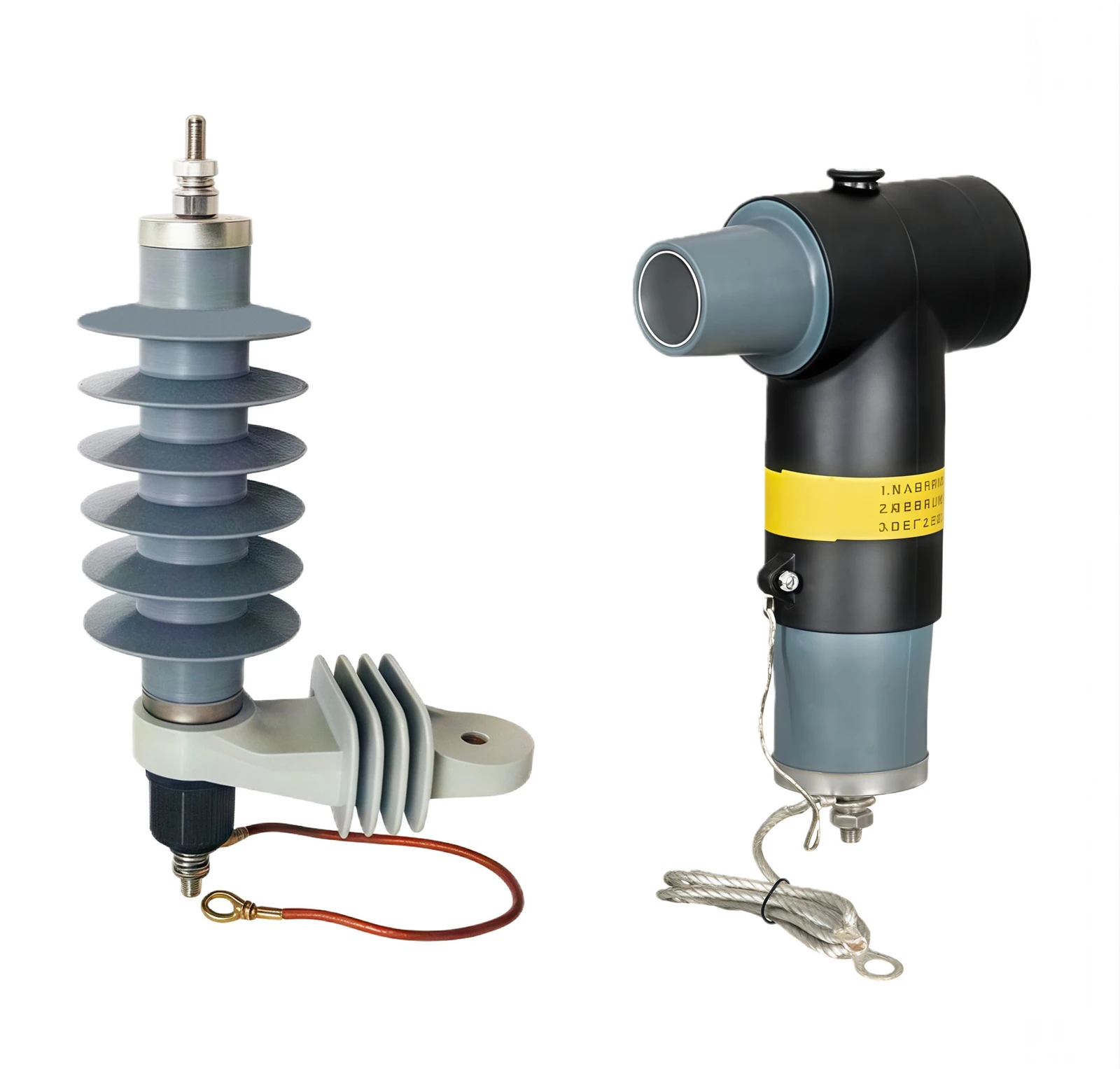
This is a general term referring to all electrical equipment used to limit overvoltages in power systems. It is a very large family, including various types such as substation type, distribution type, and line type, with diverse shapes.
Elbow-type Surge Arrester:
This is a specific member of the surge arrester family, a type of surge arrester specifically designed for distribution networks, featuring a pluggable interface.
2. Appearance and Structure
Surge Arrester:
Traditional Porcelain-sheathed: Resembles a white porcelain bottle, relatively heavy and fragile.
Composite-sheathed: Now more mainstream, made of high-polymer silicone rubber, mostly dark gray or orange in color, cylindrical in shape, lightweight, with good water repellency and explosion-proof properties.
Its ends are usually metal terminals for bolted connections.
Elbow-type Surge Arrester:
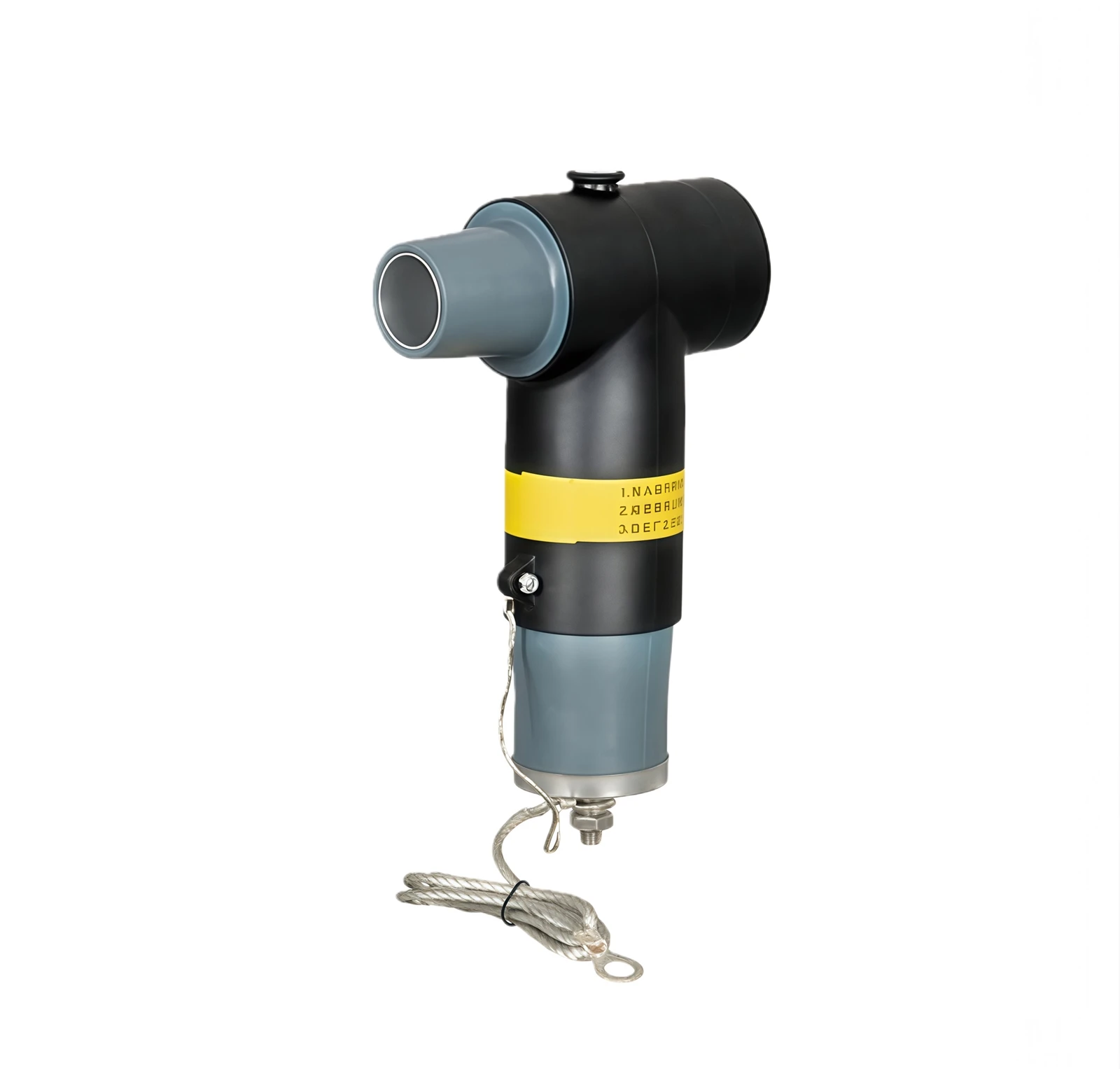
Bent at a 90-degree right angle, resembling a human elbow.
One end is a plug-in interface (usually with a semiconductor shield and conductive rod), and the other end is a fully insulated grounding shell with a grounding test hole for connecting the grounding wire and measuring the operating status.
It highly integrates the surge arrester core, cable connector, and insulating jacket into a molded rubber body.

3. Installation Methods
Surge Arrester:
Bolt fixing. During installation, the high-voltage end of the surge arrester needs to be connected to the circuit (such as a busbar or line) using wires or busbars, and the grounding end needs to be connected to the ground busbar. This is a relatively cumbersome process, requiring more connectors and space.
Elbow-type Surge Arrester:
Direct plug-in. During installation, it is simply inserted into the bushing or socket already installed on the equipment (such as a ring main unit or transformer substation). Its grounding function is achieved through the external shield and a dedicated grounding clamp.
This design is a typical feature of "American-style equipment," greatly simplifying the installation process.
4. Main Application Scenarios
Surge Arrester:
Ubiquitous. From the towers of ultra-high voltage transmission lines and the busbars of large substations to the poles of distribution lines and the side of distribution transformers, you can see it everywhere. It is suitable for almost all voltage levels and electrical applications.
Elbow-type surge arrester:
Specialized for the end of distribution networks. It is specifically designed for 10kV-35kV cable distribution networks.
Typical applications:
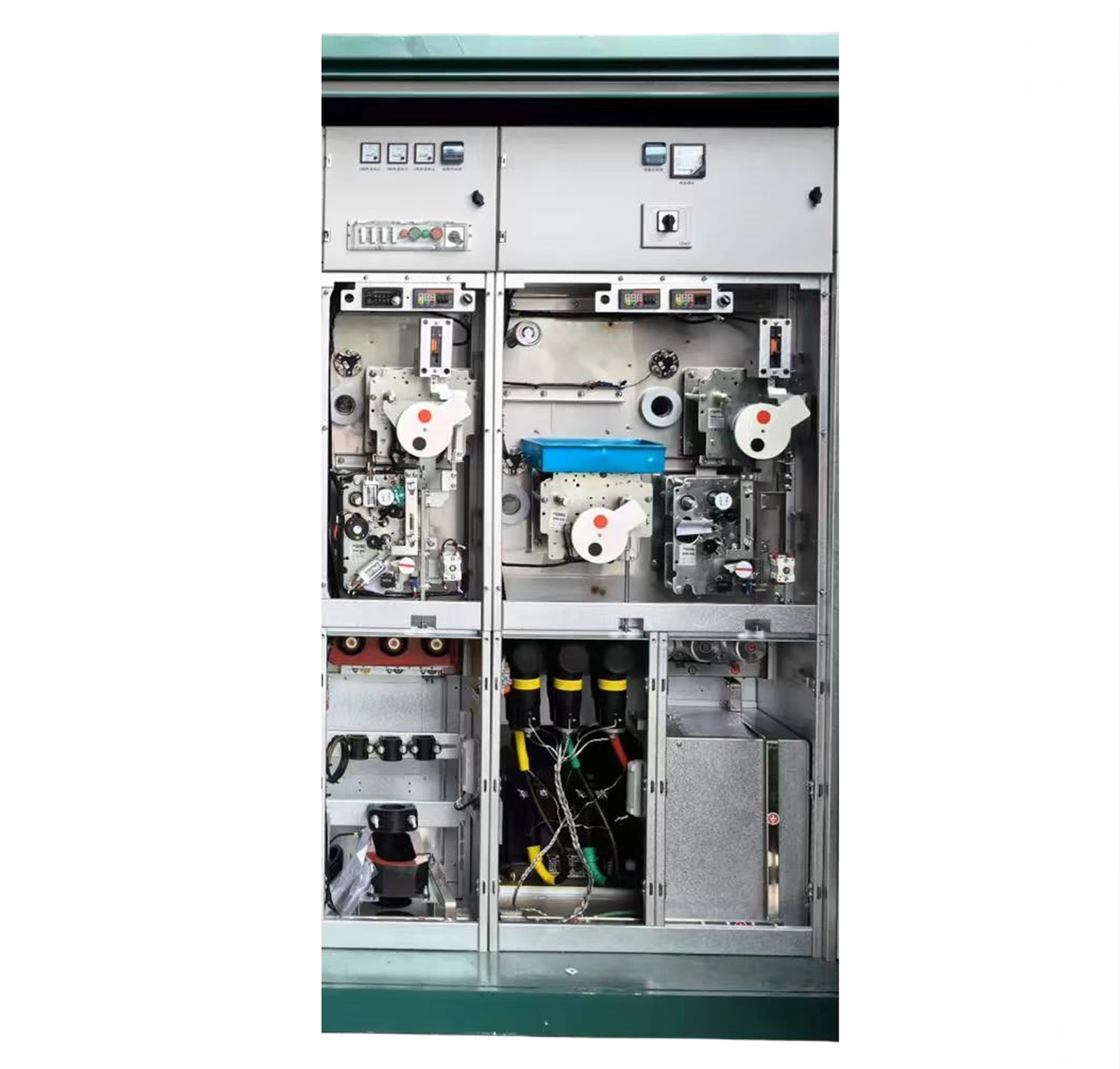
American-style prefabricated substation: Installed in a high-voltage room.
Ring main unit: Used for overvoltage protection of incoming and outgoing line units.
Cable junction box: Protects equipment inside the box and downstream lines.
It is suitable for indoor or outdoor distribution units with compact space and cables as the primary connection method.