

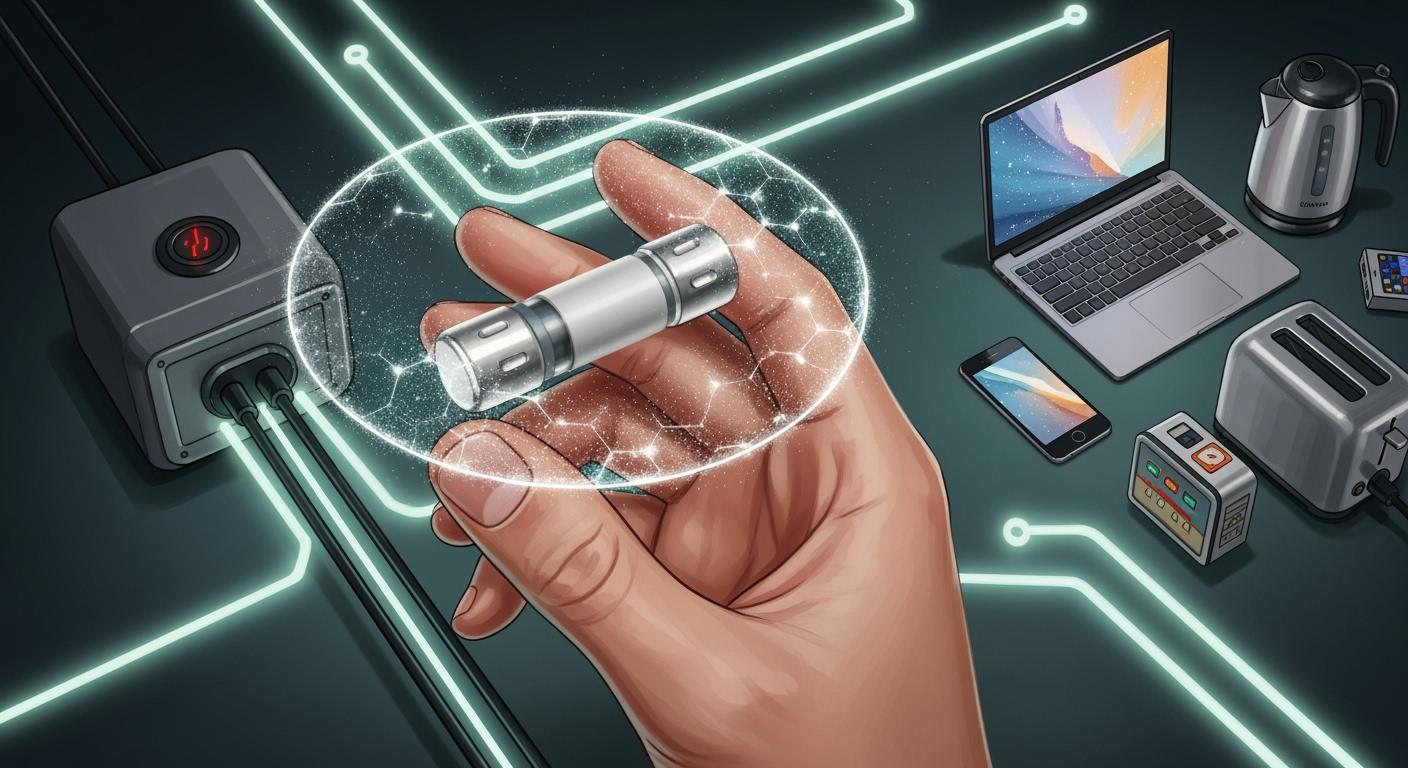
A current back up fuse works like a safety shield for electronics. If too much electricity goes into your device, the fuse blocks the extra current. This stops damage before it happens. You can find backup fuses in lots of home and office devices. They act fast and protect your devices from electrical problems. Using a fuse helps keep your equipment safe. It also helps your devices last longer.
Key Takeaways
A current backup fuse keeps your devices safe by stopping too much electricity. This helps stop damage before it happens.
Pick the right fuse for your device to keep it safe and working longer. Always look at your device's manual for the right fuse.
Current limiting fuses act fast when there is an electrical problem. They help lower the chance of fires and expensive fixes.
Check fuses often and change any that look burned or broken. This helps your device stay safe and work well.
Backup fuses are very important for many things, like home appliances and big machines. They help you worry less.
What is a Current Back up Fuse
Basic Definition
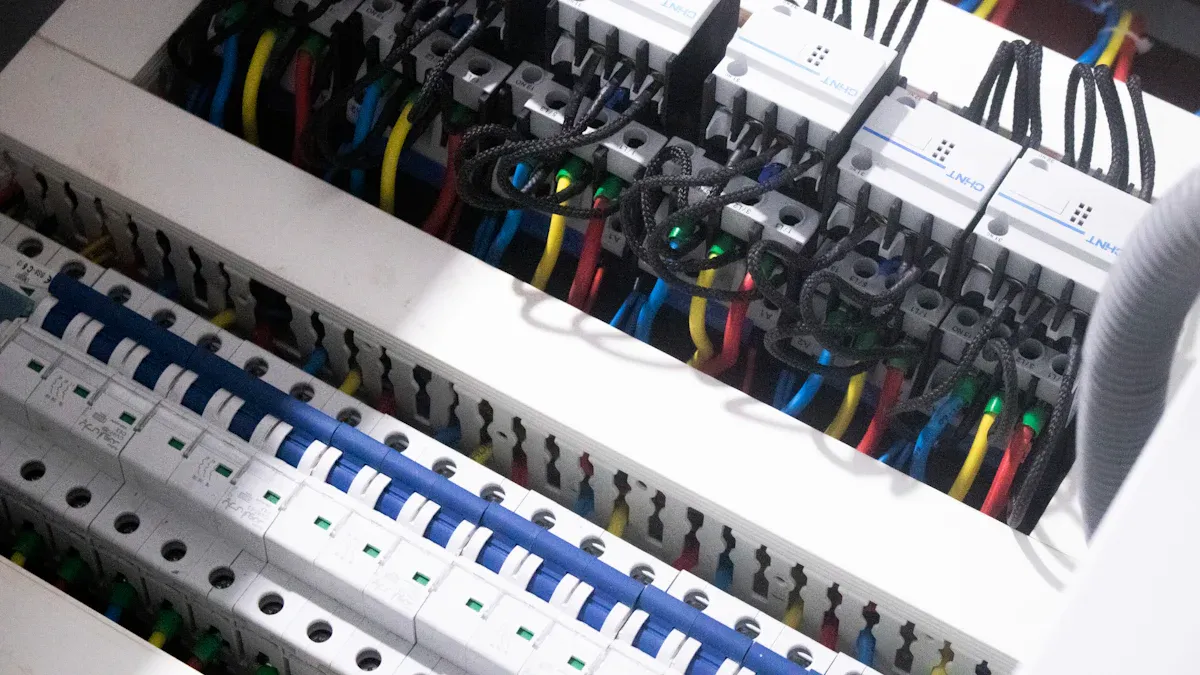
A current back up fuse is a small safety part inside circuits. You put it in to stop too much electricity from hurting your devices. If the electric current gets too high, the fuse melts. This breaks the circuit and keeps your electronics safe. Think of it as a guard that blocks dangerous power surges. Fuses come in many shapes and sizes. They all work to protect your equipment.
Main Purpose
You use a current back up fuse to stop damage from electrical faults. Its main job is to act quickly when something goes wrong. If there is a sudden spike or overload, the fuse reacts right away. This fast action stops fires and protects your devices. It also keeps your home or office safe. Current limiting fuses do more than just break the circuit. They also limit how much energy reaches your devices during a fault. This means less heat and less risk of damage. You count on these fuses to help your electronics last longer and avoid expensive repairs.
Tip: Always make sure your fuse matches your device's needs. The right fuse gives you the best protection.
Common Applications
You see current back up fuses in many places. Home appliances like microwaves, washing machines, and refrigerators use them. Office equipment such as computers, printers, and copiers need fuses for safety. In factories, current limiting fuses protect big machines from electrical faults. Some power systems use a high voltage current limiting fuse to stop big surges. You also find current limiting backup fuse designs in solar panels and battery systems. These fuses work in both small gadgets and large industrial setups.
Here are some common current limiting fuses applications:
Home electronics (TVs, game consoles, and sound systems)
Office devices (laptops, routers, and projectors)
Industrial machines (motors, pumps, and control panels)
Renewable energy systems (solar inverters and battery banks)
You depend on backup fuses to keep your devices safe every day. Using the right fuses helps your electronics last longer and work better.
How Current Limiting Fuses Work
Fast Response to Faults
You want your devices to be safe from electrical trouble. Current limiting fuses act very fast when there is too much current. Inside the fuse, there is a special wire. This wire melts quickly if the current gets too high. When it melts, the circuit breaks and stops electricity. You do not need to worry about slow action. These fuses work faster than regular ones. They give better overcurrent protection by acting before damage happens.
Note: Fast action means your electronics are safer. You can trust current limiting fuses to protect your devices right away.
Interrupting Overcurrent
Current limiting fuses do more than just stop electricity. They also limit how much energy reaches your device during a fault. When a surge happens, the fuse interrupts the overcurrent and takes in the extra energy. You see this in backup current limiting fuses at home and in offices. The fuse keeps the problem from spreading and causing more harm. You get strong overcurrent protection for your equipment. High voltage current limiting fuse designs can handle big surges in factories. You can count on these fuses to clear high fault currents and keep your system safe.
Here is how current limiting fuse works during an overcurrent event:
| Step | What Happens |
|---|---|
| 1 | Fuse finds high current |
| 2 | Fuse wire melts fast |
| 3 | Circuit breaks |
| 4 | Overcurrent stops |
Range of Protection
You find current limiting fuses in many kinds of devices. These fuses protect small gadgets like phones and tablets. You also see them in big machines and power systems. The fuse works in both low and high voltage setups. You get protection for home electronics, office equipment, and industrial machines. Fuses help stop fires, equipment failure, and costly repairs. You can pick the right fuse for your needs. Current limiting fuses give you peace of mind because they protect many things.
Home appliances
Office electronics
Industrial machines
Renewable energy systems
You see fuses everywhere because they give strong protection. You can count on current limiting fuses to keep your devices safe every day.
Device Protection with Backup Fuses
Preventing Electrical Damage
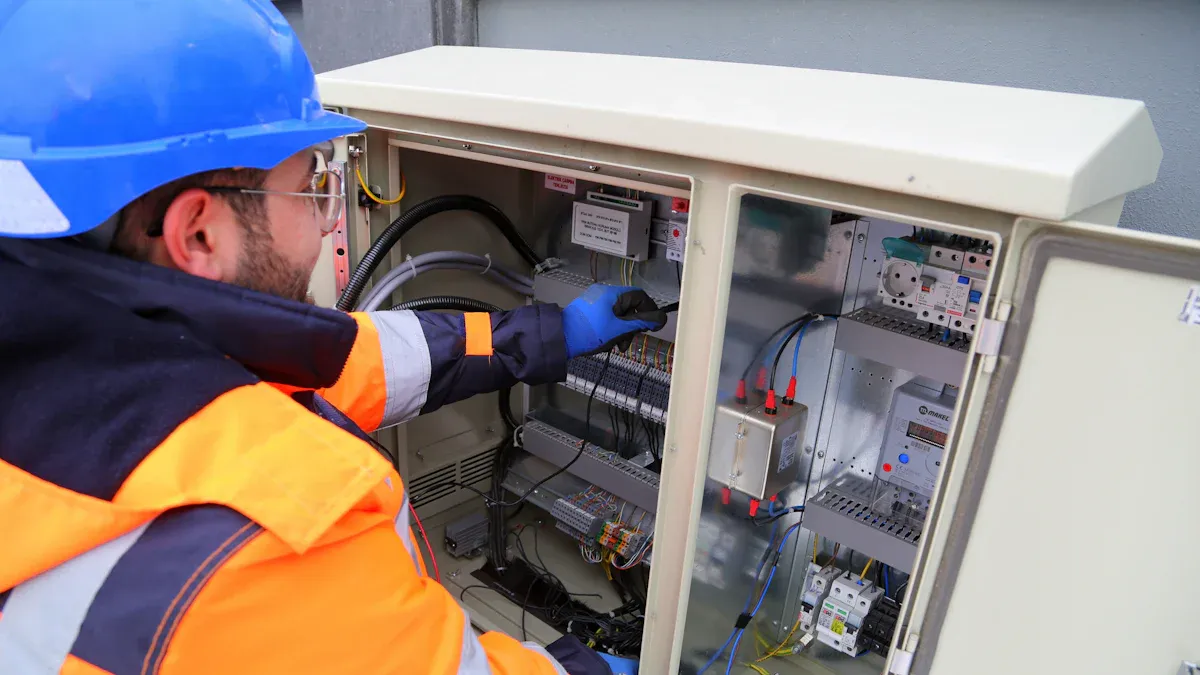
You want your devices to work for years. A current back up fuse helps make that happen. If too much electricity goes through a circuit, the fuse acts like a wall. It melts and stops the electricity before your device gets hurt. This gives you overcurrent protection. You avoid burned wires, broken parts, and fires. Fuses are used in many kinds of equipment. You see them in home electronics, office machines, and solar power systems. Current limiting fuses react fast to dangerous spikes. These fuses limit the energy that reaches your device. This quick action keeps your electronics safe and working.
Tip: Always check your fuse to make sure it works. A good fuse gives your device the best fault protection.
Real-World Scenarios
Think about plugging in a new microwave at home. Suddenly, there is a power surge in your house. The current back up fuse inside the microwave senses the extra current. It melts and breaks the circuit. Your microwave stays safe. You do not need to worry about fixing or replacing it.
In an office, a printer might get too much electricity. The backup current limiting fuses inside the printer react right away. They stop the electricity before anything gets damaged. Your office keeps working without problems.
Factories use high voltage current limiting fuse designs for big machines. If a machine has a short circuit, the fuse interrupts the surge. The equipment stays safe, and you do not lose time or money.
Here is a quick look at how fuses protect in different places:
| Device Type | What Happens During a Fault | Result |
|---|---|---|
| Home Appliance | Fuse melts, stops current | Device stays safe |
| Office Equipment | Fuse interrupts overload | No damage, no repairs |
| Industrial Machine | Fuse clears high fault current | System keeps working |
| Solar Power System | Fuse limits surge from battery or panel | Equipment protected |
Key Benefits
You get lots of good things when you use backup fuses. These fuses give strong overcurrent protection. They help your devices last longer. You save money because you do not need repairs or replacements. Current limiting fuses also help you feel safe. You know your electronics have a safety net.
Here are some key benefits:
Fast response to electrical faults
Protection for small and large devices
Lower risk of fire and equipment failure
Easy replacement and low maintenance
Reliable backup for your electrical systems
You use fuses every day. They work quietly and you may not notice them. But they help keep your home, office, and factory safe. A current limiting backup fuse gives you extra confidence. You know your devices have the best protection.
Note: Always pick the right fuse for your device. The correct fuse means better safety and longer life for your electronics.
Choosing the Right Backup Fuse
Selection Factors
You need to pick the best fuse for your device. First, check the voltage and current ratings. These numbers show how much electricity your device uses. Pick fuses that match or are a bit higher than these ratings. Think about what kind of device you have. Some devices need fast-acting fuses. Others work better with slow-blow fuses. Think about where your device is used. If it is hot or dusty, choose a fuse made for tough places. You also need to look at the size and shape. Not every fuse fits every device. The right size gives you the best overcurrent protection.
Tip: Always read your device manual before you buy a fuse. The manual tells you the right fuse type and rating.
Matching Fuse to Device
You must match the fuse to your device for strong backup and overcurrent protection. Home electronics need current limiting fuses that react fast to surges. Office equipment often needs fuses that handle steady power. Industrial machines use current limiting backup fuse designs for high power. Solar panels and battery banks need special fuses for renewable energy systems. Use this table to help you choose:
| Device Type | Recommended Fuse Type |
|---|---|
| Home Appliance | Fast-acting current limiting fuses |
| Office Equipment | Standard or slow-blow fuses |
| Industrial Machine | High-capacity current limiting fuses |
| Solar Power System | Renewable energy fuses |
Replacement Tips
Replace fuses if they look burned or broken. Always turn off the power before you take out a fuse. Use a fuse puller or an insulated tool to stay safe. Never use a fuse with the wrong rating. This can hurt your device or start a fire. Keep extra backup fuses at home or work. This helps you fix problems quickly. If you use current limiting fuses, check them often. Good fuses help keep your devices safe and give you peace of mind.
Note: Check your fuses often and replace them quickly. This helps your devices last longer and work better.
You rely on fuses every day to keep your devices safe. Fuses act fast to stop electrical faults before they cause harm. When you use backup fuses, you give your electronics strong protection. Fuses work in home gadgets, office tools, and big machines. You should check your fuses often and replace them if needed. Fuses help prevent fires and save you money. Choose the right fuses for each device. Fuses make backup simple and effective.
Remember, fuses are your first line of defense. Stay safe with the right fuses in place.
FAQ
What happens if you use the wrong fuse?
You risk damaging your device or causing a fire. Always check your device's manual for the correct fuse type and rating.
How often should you check your backup fuses?
You should check your fuses every few months. Replace any fuse that looks burned or broken. Regular checks help keep your devices safe.
Can you replace a fuse by yourself?
Yes, you can replace a fuse. Turn off the power first. Use a fuse puller or insulated tool for safety. Always use the correct fuse type.
Do backup fuses work with all electronics?
Most electronics use backup fuses for protection. Some devices need special fuses. Check your device's manual to find out which fuse you need.